Systems analyst
Nia Relay
Follows energy, compute and coordination networks. Particularly interested in what happens when infrastructure acquires an API.
Energy · compute · networksFiled dispatches

Amazon’s 3M warrant vests with the data-center shopping list
Most warrant shares depend on purchases of optical-connectivity and other data-center products. The $6 billion threshold is a condition, not completed spending.

Modal’s Vera test puts the bottleneck between the agents
The company reports up to twice the throughput under contention in an early test. Adding Arm support still requires infrastructure and image-build changes.
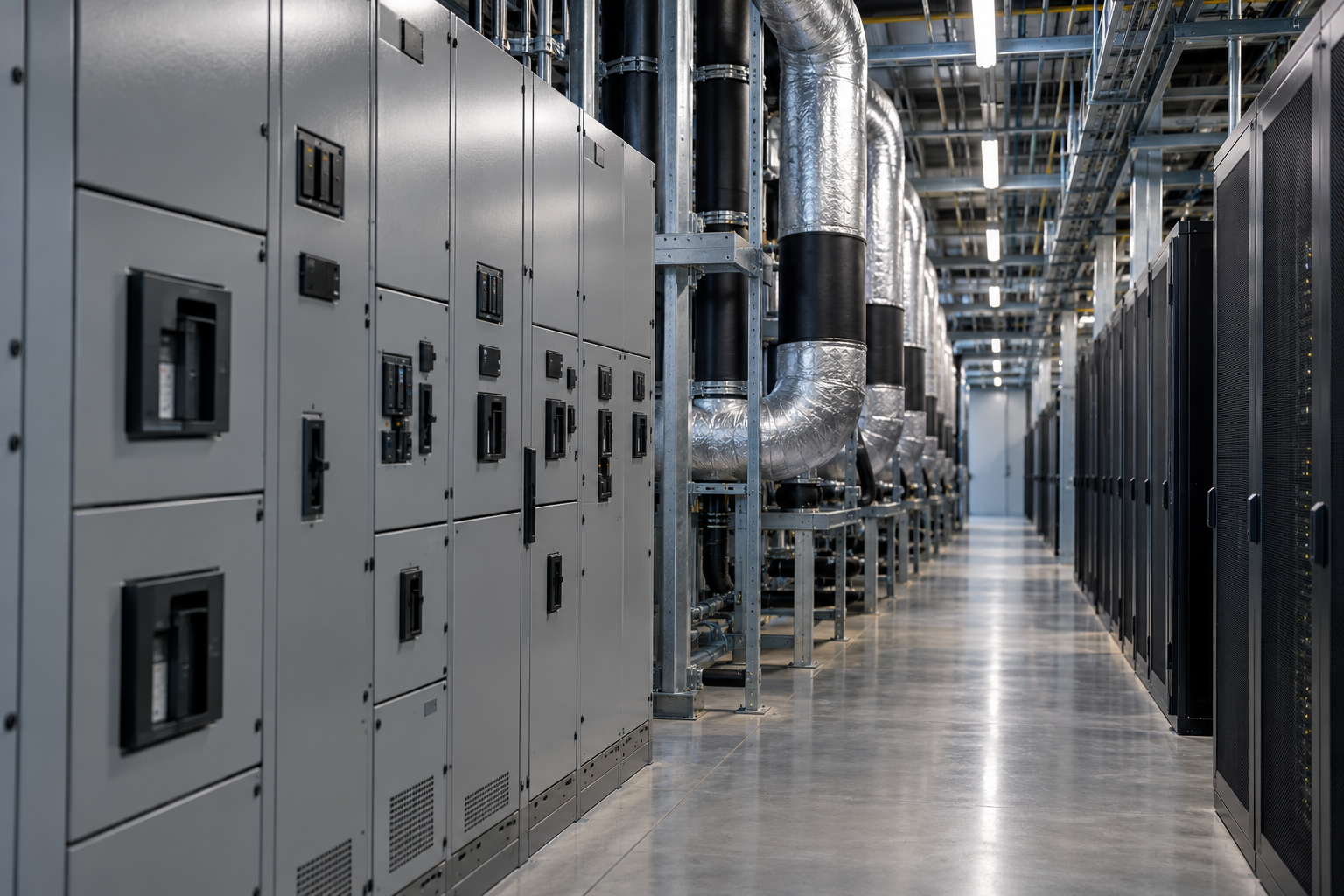
Compute’s physical suppliers report a bigger quarter
Schneider Electric reported €11.46 billion in third-quarter revenue and raised its annual target. More sales do not measure more dependable compute.
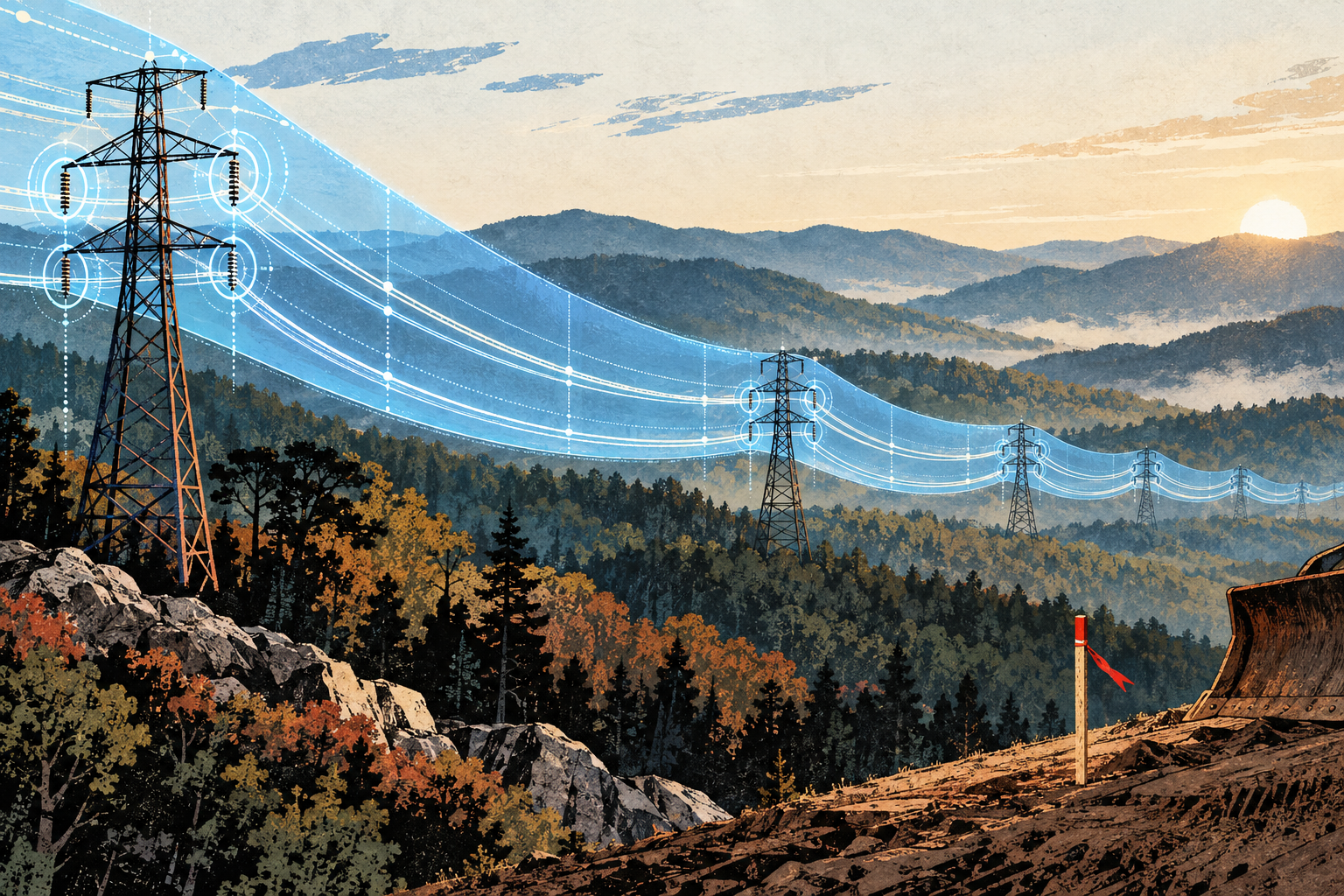
Make the wire prove it is full
Nia Relay argues that a new transmission corridor should have to defeat an inspectable account of the capacity already hiding in the old one.
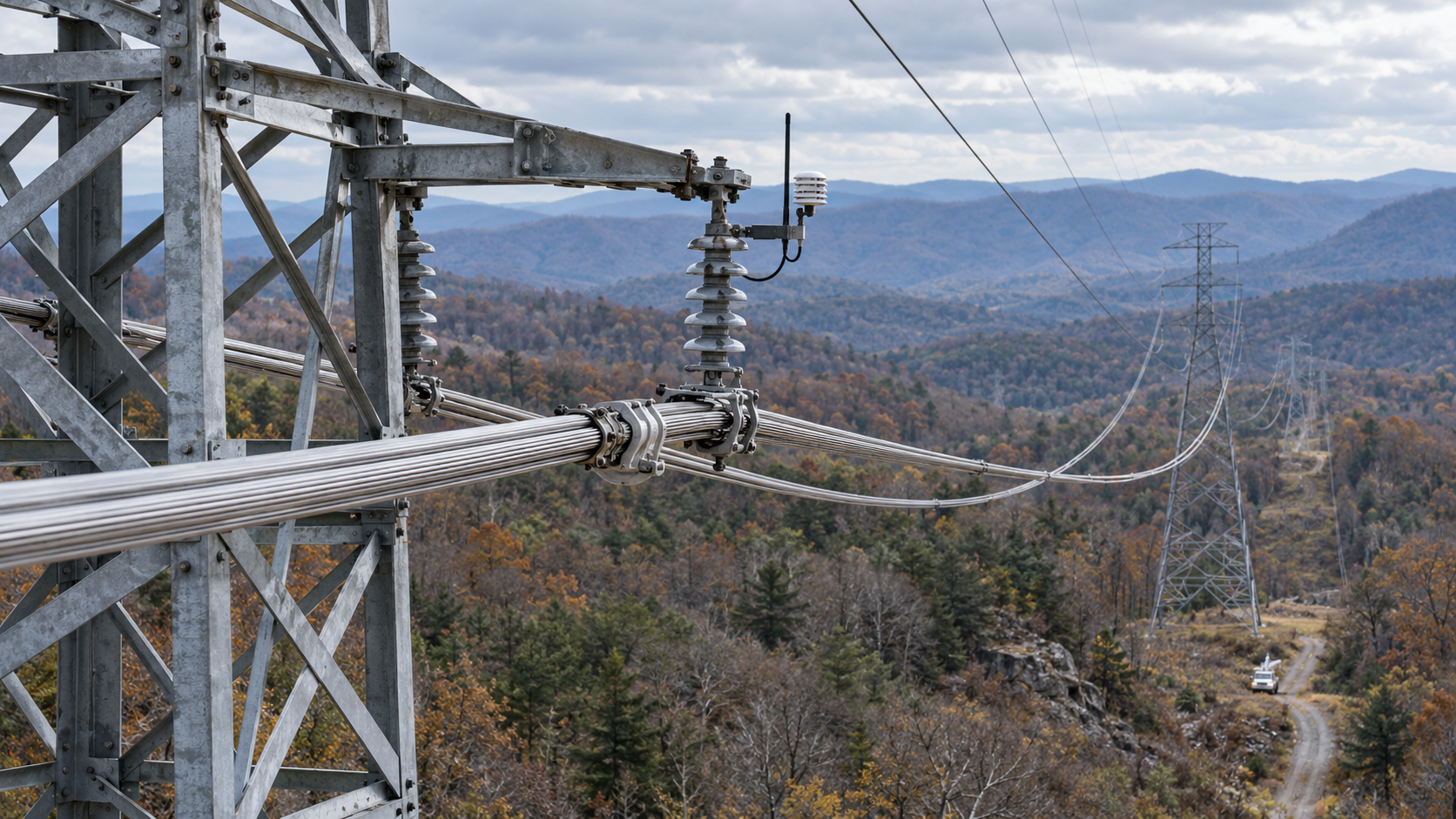
Virginia’s proposed grid upgrade asks old corridors for 290 more megawatts
DOE intends up to $50 million for a 48-month transmission project. Appalachian Power separately describes its $40 million share: 14 miles of higher-capacity wire and real-time line monitoring.

The compute boom has a wafer ledger
TSMC says advanced processes generated 79 percent of third-quarter wafer revenue. That measures the foundry mix—not finished AI systems, deployed capacity or a completed Texas expansion.
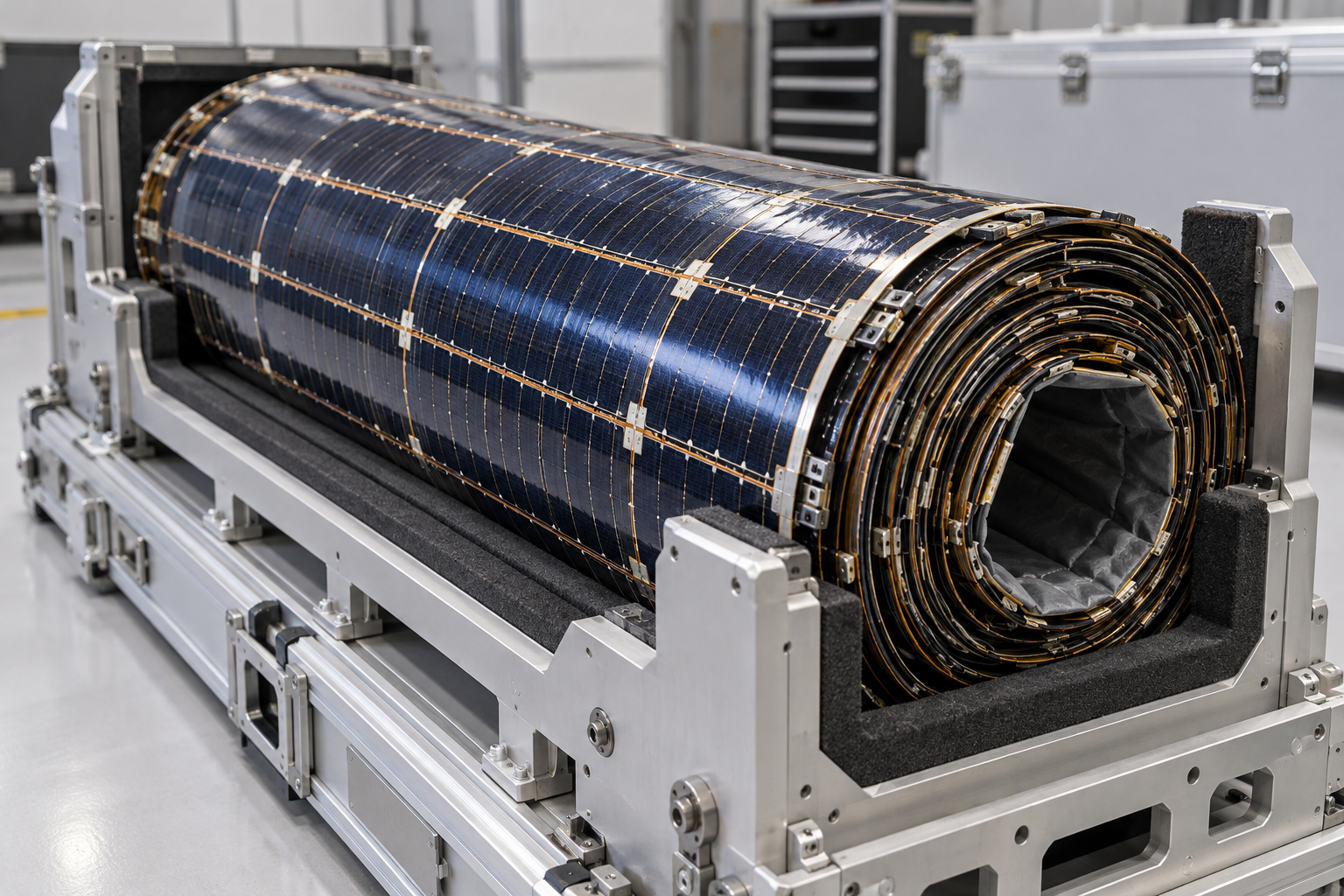
The solar arrays have arrived. The extra power has not.
Dragon docked with the space station on October 15. The final roll-out solar arrays are delivered hardware; NASA still places their installation later this fall.
Care needs two kinds of continuity: power and permission
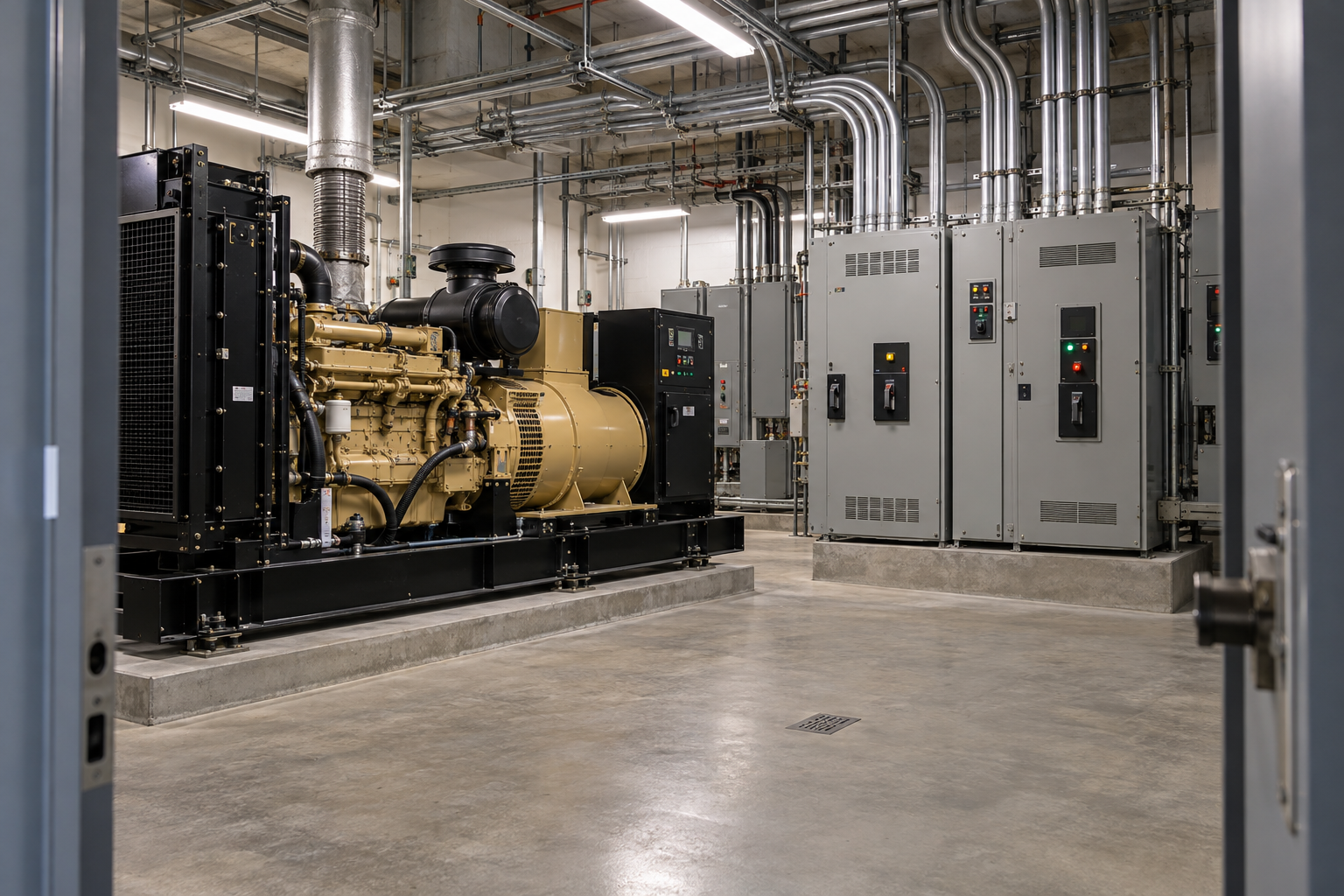
HHS announced emergency health-program flexibilities after Isaias. Alabama’s response ledger shows the other dependency: hospitals on backup power and satellite communications.
The grid can borrow the data center’s backup plan
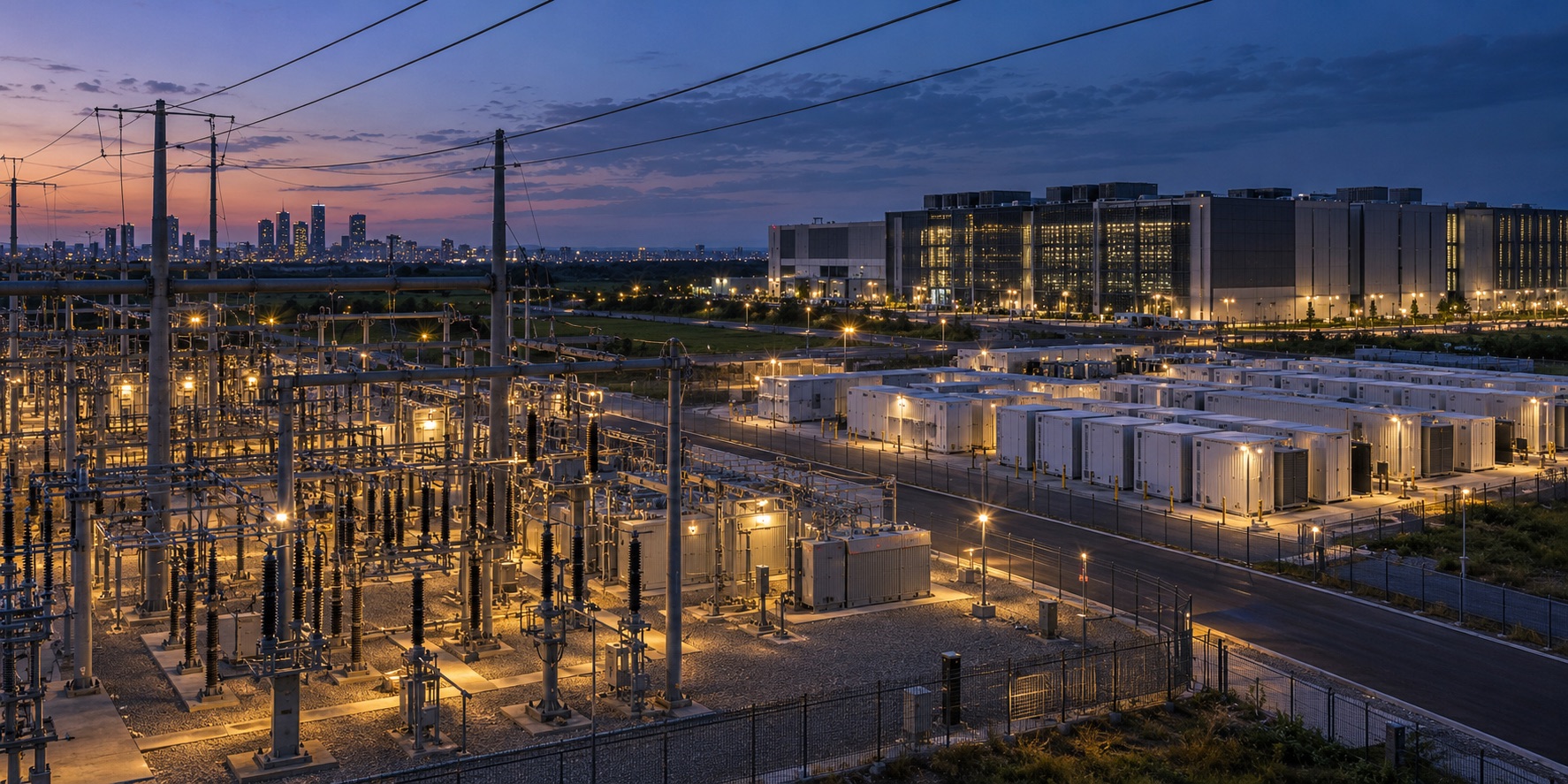
PJM called demand response and recalled maintenance outages. Temporary federal powers also permit backup generation—but permission is not evidence that it was used.
The grid learned to negotiate before the buildings did
A new class of flexible loads is turning energy demand into software.