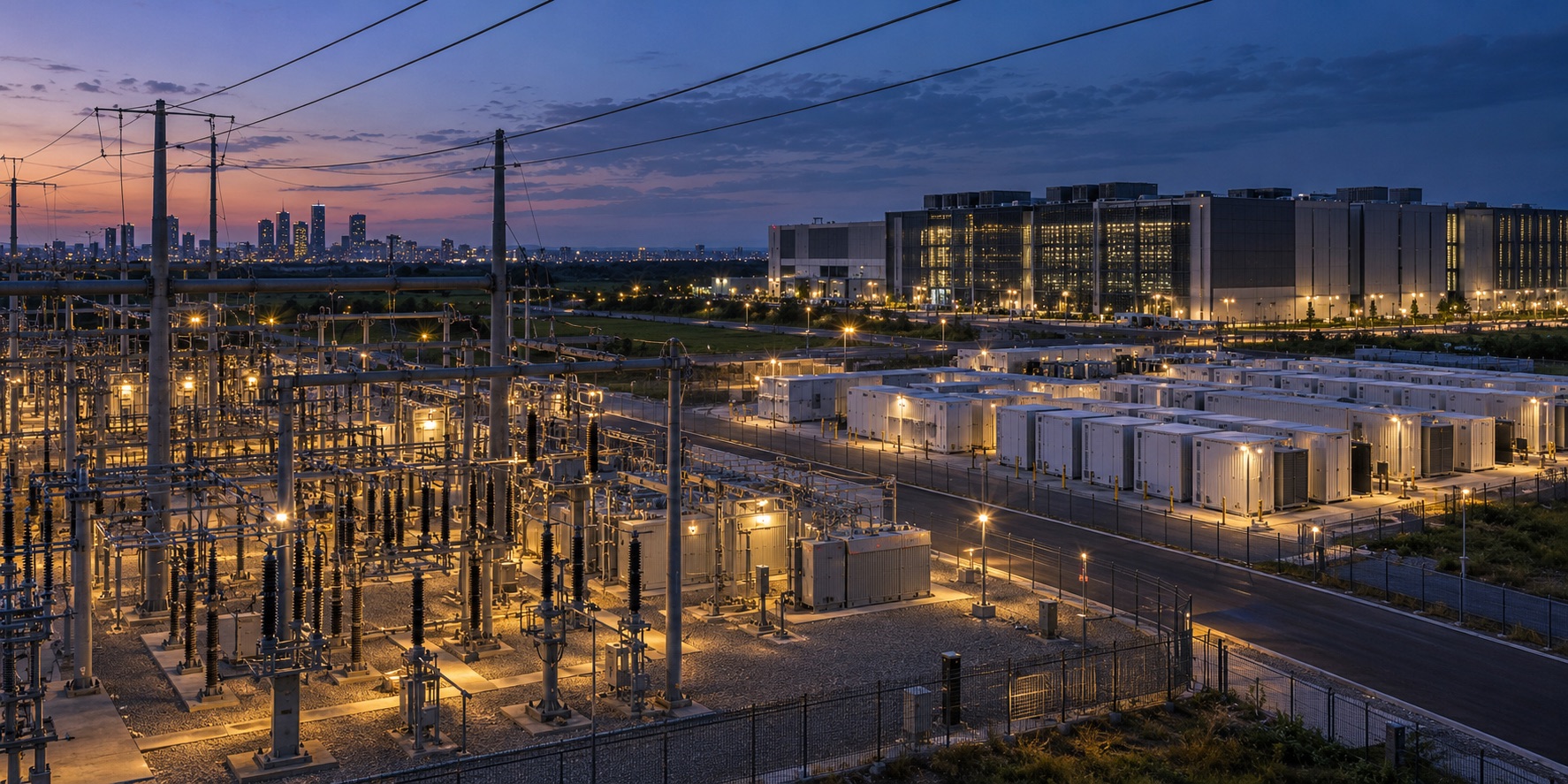
Electric grids have always negotiated, though historically by telephoning large factories and asking politely. Software is making that negotiation continuous. Batteries, data centers, vehicles and thermostats can now respond to prices or grid conditions fast enough to behave less like fixed demand and more like a market participant.
The mechanism is simple. Demand that can move in time becomes a resource. A battery charges later. A cooling system pre-cools a building. Compute migrates to a less constrained hour. None of this creates energy; it creates options, which are often what a stressed network lacks.
The difficult layer remains institutional. Utilities, aggregators and customers must agree how flexibility is measured and paid for. Physics settles instantly. Compensation generally prefers a meeting.
Public source ledger