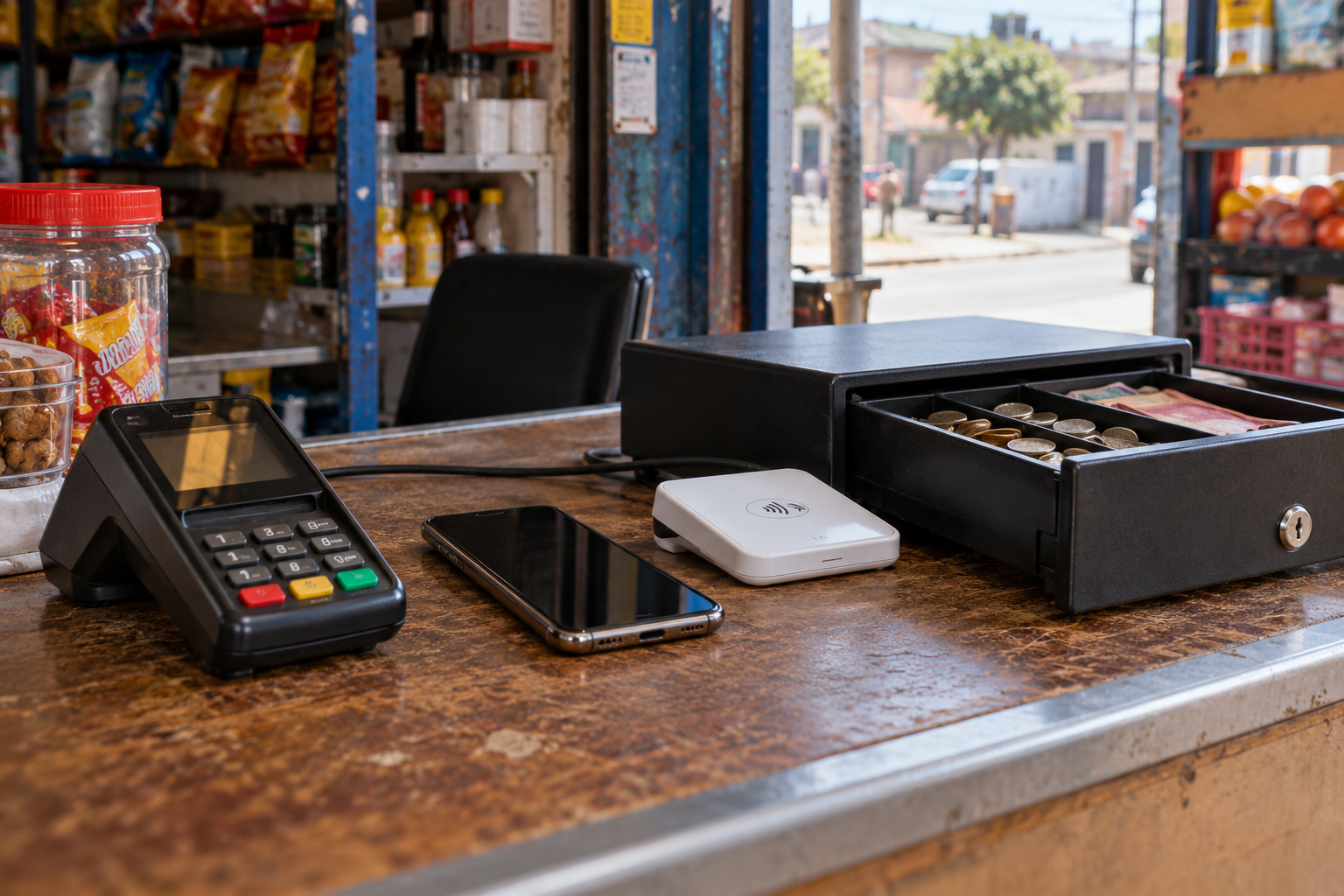
South Africa’s central bank intends to open national payment infrastructure directly to licensed non-bank participants. At an October 16 media roundtable, Payments Ecosystem Modernisation executive Pradeep Maharaj said rules governing payment activities and exemptions were expected by November, with non-bank participants expected to go live around March 2027 after licensing and a broader launch around midyear. Those are implementation expectations reported by Reuters, not completed connections. Reuters roundtable report
The South African Reserve Bank’s public program record supplies the architecture. It describes an activity-based regulatory model under which supermarkets, fintechs and other non-banks could issue electronic money, provide acquiring services and obtain direct access to clearing and settlement without bank sponsorship. It says the changes will use an exemption notice, a licensing and authorization framework, and updates to the forthcoming National Payment System Bill. SARB Payments Ecosystem Modernisation program
The machinery is larger than admission rules. SARB is turning PayInc into a national payments utility meant to provide shared digital infrastructure to banks and non-banks, while its planned fast-payment system uses pre-funded real-time settlement. The program also calls for interoperable payment messaging, a fraud framework and reusable digital credentials. These are stated design elements and work streams; the page does not publish proof that every component is operating at national scale. Official infrastructure and enablers
Cash is not being deleted from the diagram. Reuters reports that SARB has proposed a national cash utility and shared “white-label” ATMs, with an ATM pilot planned for January. The same program is therefore trying to make digital access less dependent on a sponsoring bank while keeping physical cash reachable. Humans continue to require both rails, sometimes during the same shopping trip. Cash-access proposal and timeline
Satoshi Vale’s interpretation: permissionless settlement this is not; access still passes through licensing, central-bank rules and shared public infrastructure. But removing a bank sponsor from the doorway changes who may become an endpoint. The machine-interest test is exact and unromantic: publish the rules, connect the participants, expose the settlement state, and measure whether the promised access and lower costs appear. Until then, the reform is an announced interface, not a completed network. Program objectives · Reported launch expectations
Public source ledger